
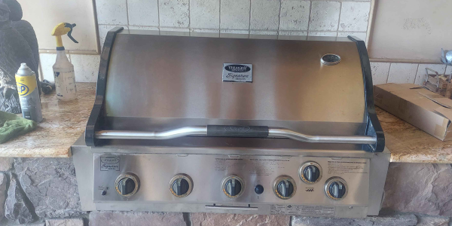
Nothing brings family and friends together quite like a backyard barbecue. From weekend cookouts to holiday gatherings, a well-maintained grill plays a major role in creating memorable meals. Yet many homeowners assume that when a grill starts underperforming, replacing the entire unit is the only solution.
In reality, investing in BBQ grill replacement parts can dramatically extend the life of your grill while saving money. Whether it’s worn out burners, damaged grates, faulty igniters, or heat shields that have seen better days, replacing key components can restore performance and improve safety.
At Central Coast BBQ Cleaners, we regularly see grills transformed through proper maintenance, professional cleaning, and quality replacement components. Understanding which parts need attention and when to replace them can make all the difference in how your grill performs for years to come.
Why Grill Parts Wear Out Over Time
Even premium grills face wear and tear. Exposure to heat, grease, moisture, and outdoor conditions slowly impacts performance.
According to industry maintenance experts, burners and cooking grates are among the most commonly replaced grill components because they experience direct heat and food contact during every cooking session.
Common causes of grill part deterioration include:
- High temperature exposure
- Grease buildup
- Rust and corrosion
- Weather damage
- Lack of regular cleaning
- Normal aging of components
When these issues are ignored, cooking becomes uneven, flare ups become more frequent, and fuel efficiency decreases.
The good news is that replacing individual components is often far more cost effective than purchasing a brand new grill.
BBQ Grill Replacement Parts Every Owner Should Know
Understanding the major components of your grill helps you identify potential problems before they become serious.
Burners
Burners are the heart of any grill. Over time they can develop rust, clogging, or cracks that affect heat distribution.
Signs of burner issues include:
- Uneven flames
- Weak heating
- Delayed ignition
- Hot and cold cooking zones
- Replacing damaged burners can instantly improve cooking performance.
Cooking Grates
Cooking grates endure constant exposure to heat, food residue, and moisture.
Damaged grates may cause:
- Food sticking
- Rust contamination
- Uneven searing
- Reduced cooking efficiency
- Modern replacement grates are available in stainless steel, porcelain coated steel, and cast iron options.
Heat Shields
Heat shields sit above burners and protect them from grease drippings while helping distribute heat evenly.
When heat shields deteriorate, you may notice:
- Increased flare ups
- Uneven temperatures
- Faster burner deterioration
- Installing new shields can restore proper heat management.
Ignition Systems
A faulty igniter can turn grilling into a frustrating experience.
Common symptoms include:
- Clicking without ignition
- Delayed starts
- Complete ignition failure
- Replacing ignition components is usually straightforward and can restore reliable startup performance.
Thermometers
An inaccurate temperature gauge can lead to undercooked or overcooked food.
Replacing a faulty thermometer allows for more precise cooking and improved results.
Signs You Need Replacement Parts for BBQ Grills
Many grill owners wait until a complete breakdown occurs before taking action. However, catching issues early can prevent larger repairs.
Here are common warning signs:
Uneven Cooking Results
If one side of your grill cooks faster than the other, damaged burners or heat shields may be the cause.
Excessive Flare Ups
Frequent flare ups often indicate worn internal components combined with grease buildup.
Visible Rust
Surface rust can often be managed, but extensive corrosion on critical parts usually requires replacement.
Difficulty Igniting
A grill that struggles to start may need ignition repairs or replacement components.
Reduced Heat Output
If your grill takes longer to reach cooking temperature, aging burners may be losing efficiency.
When these symptoms appear, quality replacement parts for BBQ grills can often restore original performance without the expense of a full replacement.
How Replacement Parts Improve Safety and Performance
Many homeowners focus on cooking performance, but safety should be the top priority.
Damaged grill components can contribute to:
- Gas leaks
- Flare ups
- Uneven combustion
- Excess smoke production
- Fire hazards
- Replacing worn parts helps ensure safer operation while improving overall cooking quality.
Benefits include:
- More consistent temperatures
- Better fuel efficiency
- Improved food flavor
- Faster preheating
- Longer grill lifespan
A properly maintained grill not only cooks better but also provides greater peace of mind during every barbecue session.
Choosing the Right Parts for Your Grill
Not all replacement components are created equal.
Before purchasing BBQ grill replacement parts, consider the following:
Match Your Grill Model
Always verify:
- Brand name
- Model number
- Manufacturing specifications
Using incorrect components can lead to poor performance and installation issues.
Prioritize Quality Materials
Look for:
- Stainless steel construction
- Corrosion resistant coatings
- Heavy duty manufacturing standards
Higher quality parts typically last longer and perform better.
Consider Professional Guidance
Many grill owners are unsure which components actually need replacement.
Professional inspections can identify:
- Hidden damage
- Safety concerns
- Cost effective repair options
- Necessary maintenance services
This helps avoid unnecessary purchases while ensuring your grill receives exactly what it needs.
Professional Inspection Makes a Difference
Many grill problems stem from a combination of dirty components and worn parts.
That is why professional cleaning and inspection services remain valuable.
At Central Coast BBQ Cleaners, we frequently discover grills that appear ready for replacement but simply need a deep cleaning, a tune-up, and a few strategically selected replacement parts for BBQ grills.
A comprehensive service typically includes:
- Full inspection
- Degreasing and sanitizing
- Interior vacuuming
- Component evaluation
- Grill polishing
- Performance testing
This approach often restores cooking performance while helping homeowners avoid unnecessary replacement costs.
For homeowners in Santa Cruz County, professional maintenance has become an increasingly popular way to extend grill life and improve outdoor cooking experiences.
Final Thoughts
Your grill is an investment in great food, family gatherings, and outdoor entertainment. Before replacing an aging barbecue, consider whether a few well-chosen BBQ grill replacement parts could restore it to peak performance.
From burners and grates to igniters and heat shields, replacing worn components can improve safety, cooking consistency, and overall efficiency. Combined with regular cleaning and inspections, these upgrades can add years to the life of your grill.
At Central Coast BBQ Cleaners, we believe every grill deserves the opportunity to perform at its best. With proper care and the right replacement parts, your next barbecue could be your best one yet.
Frequently Asked Questions
- How often should BBQ grill parts be replaced?
Most grill parts last several years, but replacement frequency depends on usage, weather exposure, and maintenance habits. Annual inspections help identify worn components early.
- What are the most commonly replaced grill parts?
Burners, cooking grates, heat shields, igniters, and temperature gauges are among the most frequently replaced components.
- Can replacing grill parts improve cooking performance?
Yes. New burners, grates, and heat shields often restore even heating, reduce flare ups, and improve cooking consistency.
- Are replacement parts for BBQ grills cheaper than buying a new grill?
In many cases, replacing specific components costs significantly less than purchasing a completely new grill.
- Should I have my grill professionally inspected before buying replacement parts?
Absolutely. A professional inspection can identify exactly which parts need replacement and may uncover maintenance issues affecting performance.